Trusted Partner in Scrap Metal Recycling

Menu
Scrap Metal CollectionBusiness Guide
How Scrap Metal Collection Works for Businesses in Singapore
Scrap metal collection helps businesses clear unwanted metal and recover its sale value. The process usually involves a quotation, collection, grading, weighing and payment. Removal costs may apply, depending on the load and site conditions.
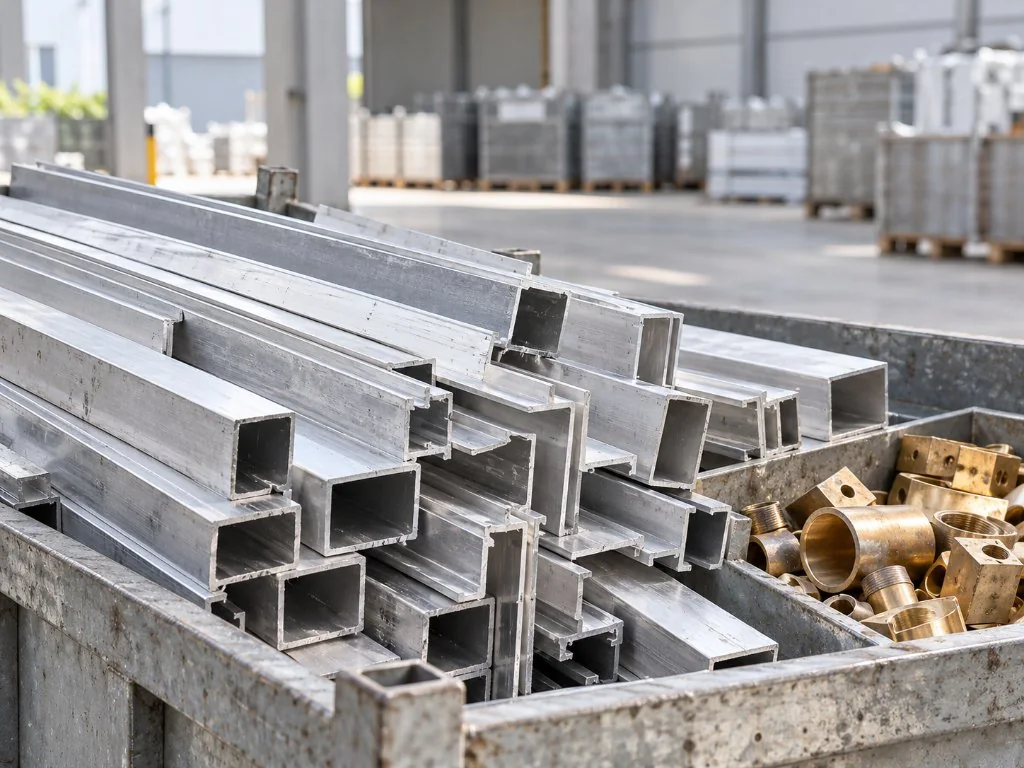
For factories, workshops and warehouses in Singapore, sharing clear material details helps the provider assess the job. Before booking, confirm what will be collected, how the metal will be valued and which charges apply.
What Types of Scrap Metal Can Businesses Sell?
Common materials include:
- Steel and iron: Beams, rebar, frames and production offcuts.
- Aluminium: Sections, sheets, frames and offcuts.
- Copper: Cables, pipes and other copper materials.
- Brass: Valves, fittings and components.
- Stainless steel: Sheets, pipes and industrial parts.
Acceptance depends on the material, condition and buyer’s requirements. Mixed loads, attached parts and residues can affect grading and pricing.
Tell the provider about oil, chemicals, batteries or other hazardous components before arranging collection.
How Does Scrap Metal Collection Work?
1. Send Photos and Material Details
Share the metal type, estimated quantity and collection address. Include photos of the full load and close-up details.
If you do not know the weight, provide dimensions or item counts. State whether the material is loose, packed or fixed in place.
2. Review the Quotation
The provider assesses the material and removal work. Large equipment or difficult access may require a site visit.
Confirm the quoted rate, payment terms and any charges for labour, transport, lifting or dismantling. Ask whether the offer is subject to final inspection and weighing.
3. Arrange Collection and Site Access
Agree on a collection date and prepare the loading route.
Tell the provider about vehicle limits, loading-bay bookings, narrow entrances or upper-floor storage. These details help determine the equipment and manpower needed.
4. Confirm the Grade and Weight
The metal is assessed and weighed using the agreed method.
Ask how different grades will be priced and how packaging, attached parts or non-metal materials affect the payable weight. Keep the weight record and confirm any deductions.
5. Settle Payment and Keep Records
Payment follows the agreed terms. Confirm when it will be made and whether removal charges are deducted from the scrap value or billed separately.
Keep the quotation, collection records, weight details and payment documents for your business records.
What Affects Scrap Metal Prices in Singapore?
Scrap value depends on more than the total weight.
Key factors include:
- Metal type and grade: Different metals and alloys have different values.
- Condition: Clean, separated material is easier to assess.
- Quantity: Load size affects collection and handling costs.
- Market conditions: Metal prices and buyer demand can change.
- Removal work: Lifting, dismantling and difficult access may add costs.
When comparing scrap metal buyers in Singapore, use the same material details and collection scope. Compare what you will receive after all agreed charges.
Ask how long the quotation remains valid, especially if collection will take place later.
How Should Businesses Prepare for Collection?
Before the collection date:
- Separate different metals where practical.
- Keep rubbish and unrelated waste out of the load.
- Take clear photos before materials are moved.
- Confirm ownership and permission to sell the items.
- Prepare the loading area and appoint a site contact.
Tell the provider if equipment is fixed in place or connected to power or other services. Agree on who handles service isolation and dismantling before removal starts.
For regular production offcuts, share your expected volume and preferred collection frequency.
What Happens to Scrap Metal After Collection?
After collection, scrap metal is sorted by type and prepared for processing at recycling facilities. Depending on the material, this may involve cutting, compacting or shredding before melting it into material for new products.
Scrap metal recycling helps recover useful materials and conserve natural resources. The processing method varies by metal type and condition.
FAQs About Business Scrap Metal Collection
Is Scrap Metal Collection Free?
Not always. The scrap value may cover collection costs, but labour, lifting, transport or dismantling charges can still apply. Confirm the full quotation before booking.
Is There a Minimum Quantity?
Minimum quantities depend on the provider, material and collection arrangement. Share your estimated load and ask about any minimum requirements or transport charges.
Can Different Metals Be Collected Together?
Some providers accept mixed loads. However, different metals may need separate grading and pricing. Ask how the load will be assessed before collection.
Can Fixed Machinery Be Collected?
It may require dismantling, service isolation and lifting first. Send photos and explain how the machinery is installed so the removal scope can be assessed.
Can Businesses Arrange Regular Collection?
Yes, where the provider offers it and the arrangement suits the material and volume. Agree on collection frequency, storage, weighing and payment terms.
Arrange Scrap Metal Collection with Lian Aik Enterprises
Lian Aik Enterprises buys a range of scrap metals and offers transport, weighing and dismantling services. Contact our team to discuss your scrap metal collection requirements.
Share your material details, photos, estimated quantity and collection address. Include access limits and your preferred schedule so the proposed scope can be assessed clearly.
Discuss your materials or project.
Send photos and a few practical details. We’ll help you understand the next step.
More practical guidance.
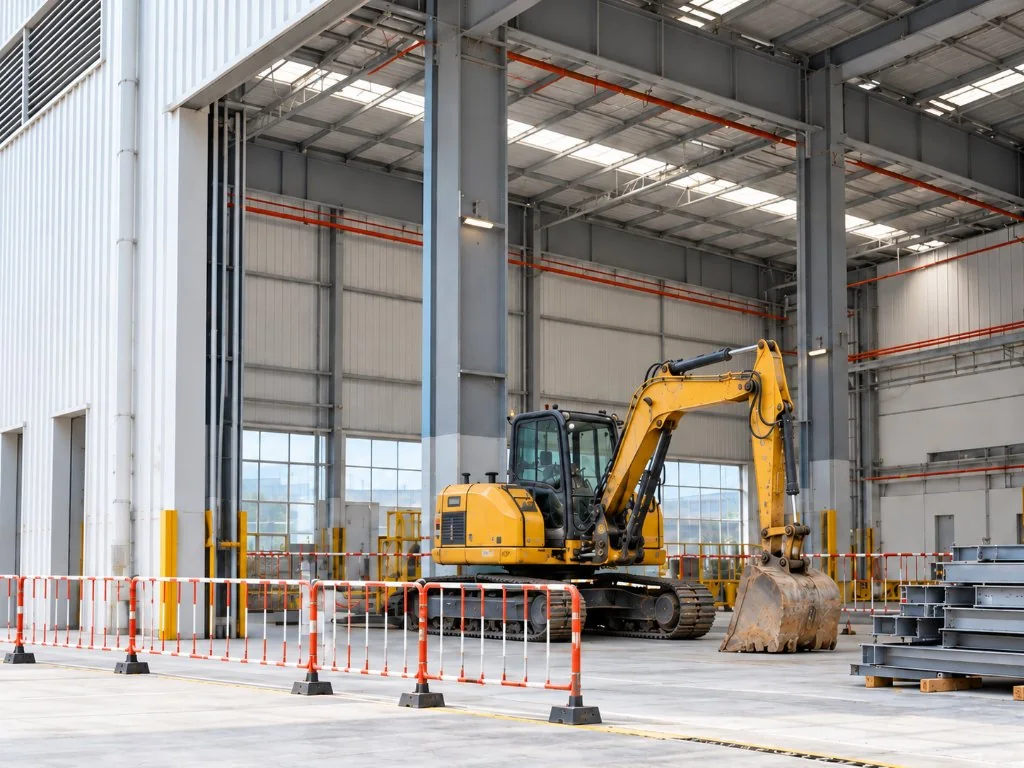
Dismantling & Demolition
Demolition Contractor in Singapore: What to Check Before Hiring
Before hiring a demolition contractor in Singapore, confirm the work scope, access, approvals, safety plan and total cost.
Read guide
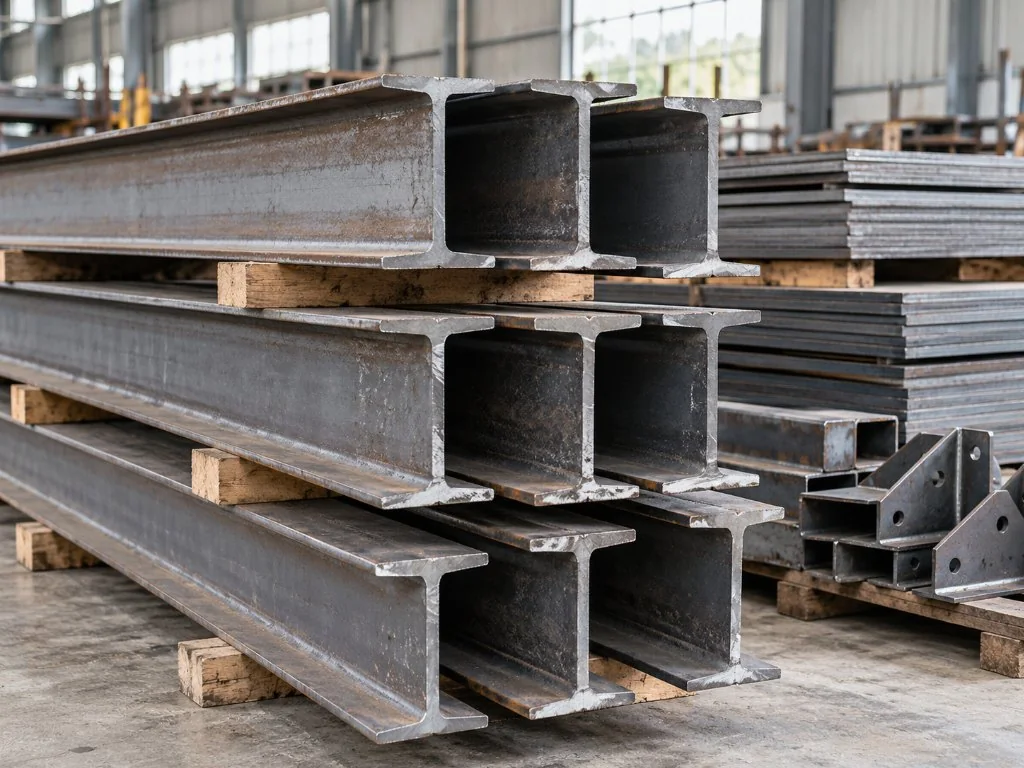
Scrap Metal Buyers
Scrap Metal Buyers in Singapore: Turn Your Surplus Metal into Value
When comparing scrap metal buyers in Singapore, check grading, weighing, collection charges and payment terms.
Read guide
Let’s plan your next step
Have materials or a project
to assess?
Share your photos, quantity and location. Our team can advise on assessment, collection or the next practical step.

Scrap metal recovery and industrial solutions, built on decades of operational experience.
Main Office
© 2026 Lian Aik Enterprises Pte Ltd.