Trusted Partner in Scrap Metal Recycling

NEA-Licensed Waste Collection & Disposal in Singapore
Plan waste removal around your materials and site. Lian Aik Enterprises provides waste collection and disposal in Singapore within its applicable NEA-licensed scope. Share the waste type, quantity and location so acceptance, handling and collection arrangements can be confirmed.
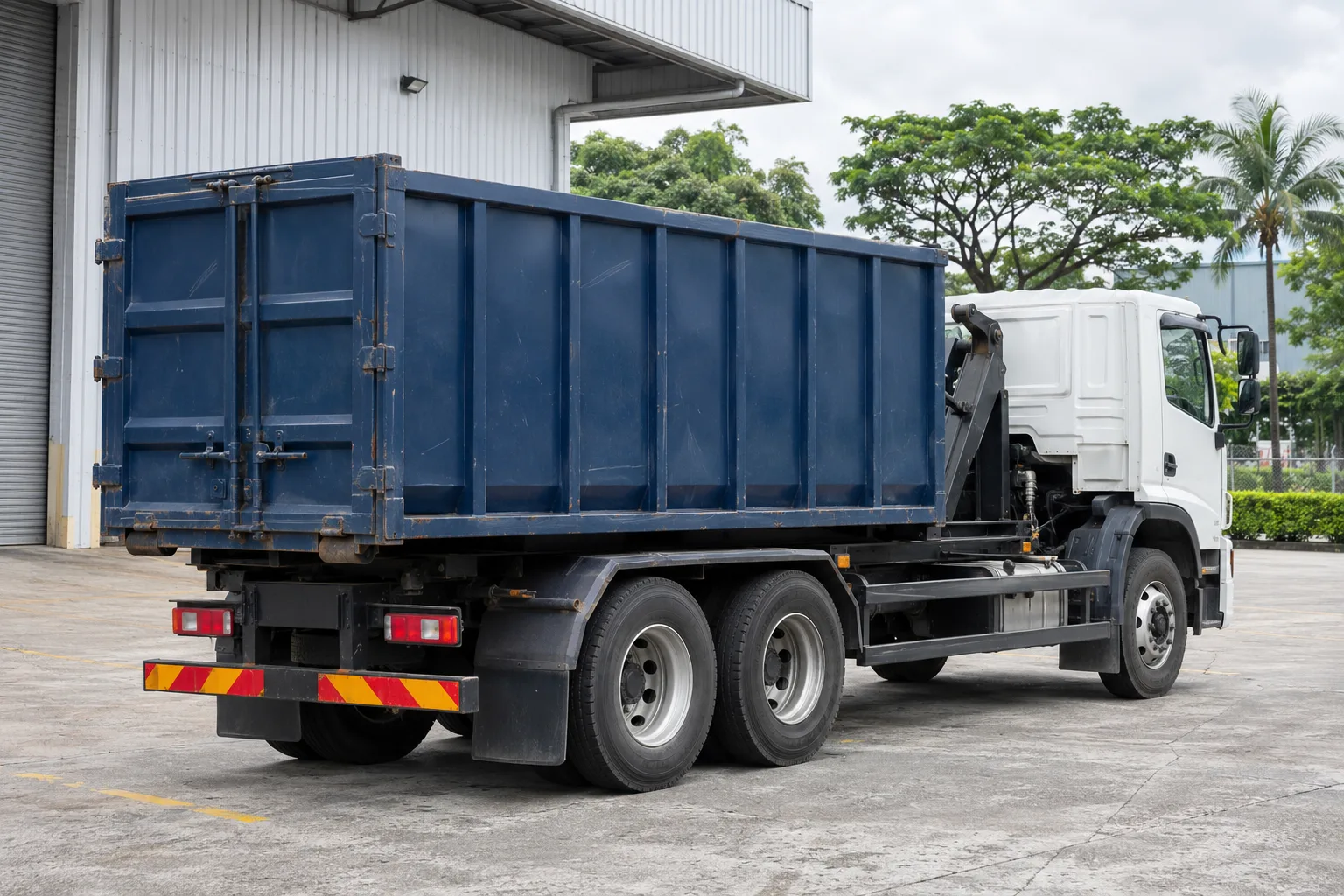
Waste collection for your site
Tell us how the waste is generated, what it contains and how it is stored. Enquiries can include:
- Commercial & industrial sites: Waste collection requirements assessed by material and quantity.
- One-off clearances: Defined loads with an agreed collection and disposal scope.
- Recurring requirements: Expected waste volumes and collection frequency for review.
- Related site work: Accepted waste arising from agreed dismantling or equipment removal.
Acceptance is confirmed before booking. Declare any liquids, chemicals, oils, batteries or contaminated materials separately; they should not be assumed suitable for a general waste load.
Related transport & clearance services · Have scrap metal to sell?
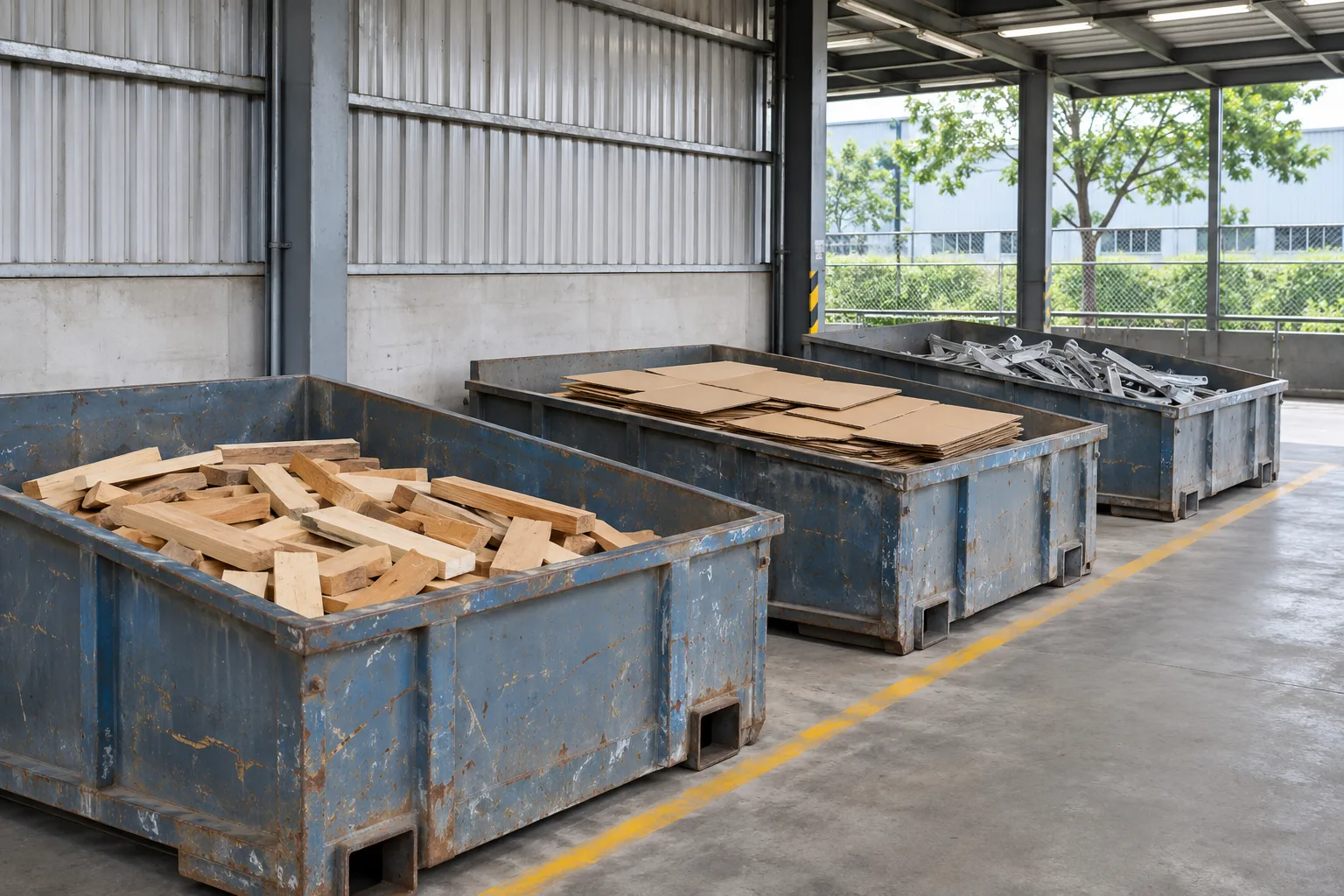
Separate materials. Plan access.
A clear description of the load helps avoid collection-day surprises. Review these details with the team:
- Material separation: Identify recyclable metal, other waste and anything needing separate handling.
- Storage & loading: Show existing containers, loose items and any manual handling needed.
- Vehicle access: Confirm gate clearance, bin placement space and permitted collection hours.
Agree on accepted materials, container suitability and loading limits before filling a collection bin. Keep access routes clear and tell the team if the contents or quantity change after the quotation.
How waste collection works
Describe the waste
Send material photos, estimated quantity and the site address.
Confirm acceptance & scope
Review accepted waste, handling arrangements and charges.
Arrange collection
Agree on access, timing and any required collection records.
Waste collection FAQs
Send photos and describe the waste you need removed. We’ll advise on acceptance, collection and the next step.
What waste can Lian Aik collect?
Waste acceptance depends on the material, condition and applicable licensed service scope. Send photos, the source of the waste, estimated quantity and collection location. For mixed loads, identify each material separately so the team can confirm what can be accepted and any separation needed.
Does an NEA licence cover every waste type?
No. General waste collection is limited to the waste classes covered by the collector’s licence. LAE’s operations include NEA-licensed general waste collection (GWC) and a general waste disposal facility (GWDF). Confirm acceptance for your specific load; toxic industrial waste requires a separately licensed collection route.
Can I request a bin or regular collections?
Share the waste type, expected volume, available placement space and preferred frequency. Hook-lift bin and recurring collection requirements can be reviewed against access, material acceptance and scheduling. Confirm the container size, loading limits and collection arrangement before placing any waste in the bin.
What affects the waste collection price?
Waste type, volume or weight, collection frequency, transport, disposal requirements and loading access can affect the quotation. State whether the waste is loose, packed or already in a container. Confirm charges for bin provision, labour, waiting time or additional trips where relevant.
How should I prepare the waste for collection?
Follow the agreed separation, packaging and loading requirements. Keep accepted materials identifiable and the collection route accessible. Flag liquids, chemicals, batteries, sharp items or contamination before collection. Do not add undeclared materials to an agreed load; ask the team to review any changes first.
Can collection or disposal records be provided?
Explain your record requirements when requesting a quotation, including any company or landlord reporting needs. Confirm which collection, weighing or disposal records are available for the agreed service. A specific certificate, report format or recycling outcome should not be assumed unless expressly included.

Scrap metal recovery and industrial solutions, built on decades of operational experience.
Main Office
© 2026 Lian Aik Enterprises Pte Ltd.